Disadvantages Of Metal Sheds . Metal garden sheds do have a number of advantages over their wooden counterparts and they all relate to the fact that they are made of a more durable material. So, here we will see the benefits of using a metal shed. Metal vs Vinyl Shed Pros and Cons American Steel Carports, Inc. from americansteelinc.com The main disadvantage of a wood vs metal shed is the initial cost is higher than a metal shed. Metal sheds are usually made from galvanized steel or aluminium, and are typically the least expensive option. It doesn’t come visually appealing and elegant as with other types of materials.
Metal On Polyethylene Hip Replacement. By conserving more bone, these younger patients maintain the option of future surgeries, including a traditional hip replacement, if necessary later in their lives. A consequence of excess wear.
Total Hip Replacement BJISG from bjisg.com
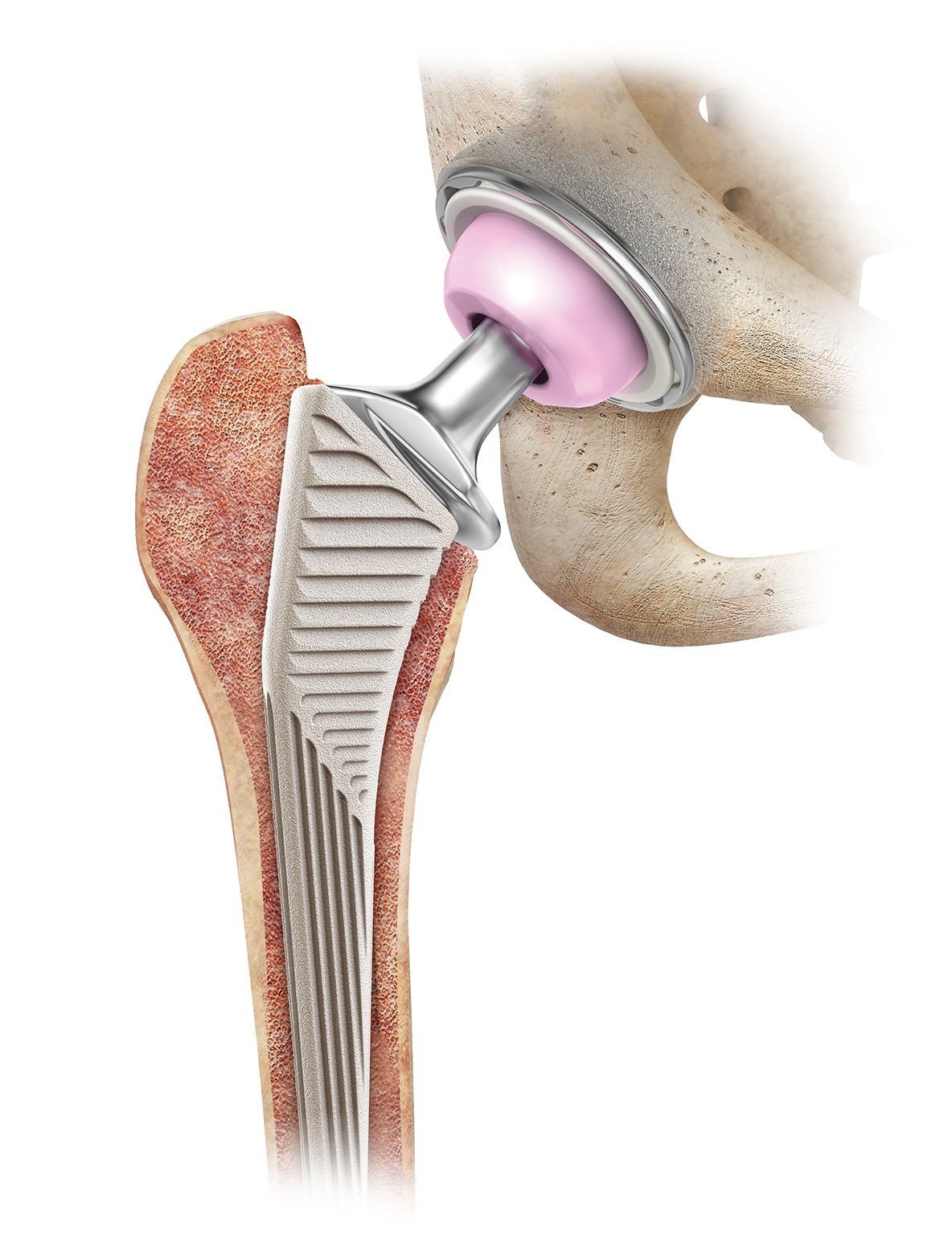
Wear of the polyethylene component in total hip replacement surgery now is recognized as the most common cause of prosthetic failure. A traditional hip replacement implant uses a metal femoral head (the ball of the implant) and conventional polyethylene, or plastic, as the acetabular component (the socket of the implant). Total hip arthroplasty (tha) is one of the most clinically successful and effective surgeries, with reports indicating improved function, reduced pain and high rates of implant survivorship.
1,2 There Are Three Types Of Prosthesis Available:
Now that we understand the variety of components, metal on polyethylene and ceramic on polyethylene are still the most widely used bearing surfaces. Historically, the femoral head was quite small, in large part because that means less surface area to rub between the ball and the socket, leading to lower. Below is an outline of the different types of material commonly used in hip implants, along with their advantages and disadvantages.
Many Of The Metal Versions Only Lasted A Few Years Because They Led To Significant Health Issues, Such As:
Total joint replacement is an effective method for treating advanced arthritis of the hip. Total hip replacement is one of the most frequently performed, universally successful surgical procedures ever developed in the history of medicine. Wear of the polyethylene component in total hip replacement surgery now is recognized as the most common cause of prosthetic failure.
Patients Understand The Risks That Metal Joints And Sockets Bring To Their.
By conserving more bone, these younger patients maintain the option of future surgeries, including a traditional hip replacement, if necessary later in their lives. Increased pain in hip or groin. Total hip arthroplasty (tha) is one of the most clinically successful and effective surgeries, with reports indicating improved function, reduced pain and high rates of implant survivorship.
A Consequence Of Excess Wear.
The two opposing sides of a total hip replacement are called the bearing surfaces. Inside this shell, a locking mechanism fastens the bearing, which can be polyethylene, metal, or ceramic. Metal on metal total hip replacements have been in use for approximately 50 years.
However, Over Time Traditional Metal On Polyethylene (Mop) Hip Replacements Develop Aseptic Loosening Due.
Because the combination of metal on polyethylene has been so effective and so popular, far fewer metal on metal total hip replacements have been performed. During a hip replacement your damaged hip joint will be replaced with an artificial ball and socket. Screws were once used to fix the socket to the pelvis bone, but with modern designs, screws are rarely.


Comments
Post a Comment